Find the right starting point.
Connect the brief, audience and application with relevant cultural references.
WHY LIJIN ELEMENTS
We help creative teams move from cultural context to contemporary application — with clear interpretation, defined usage boundaries and coordinated delivery.
WHY US
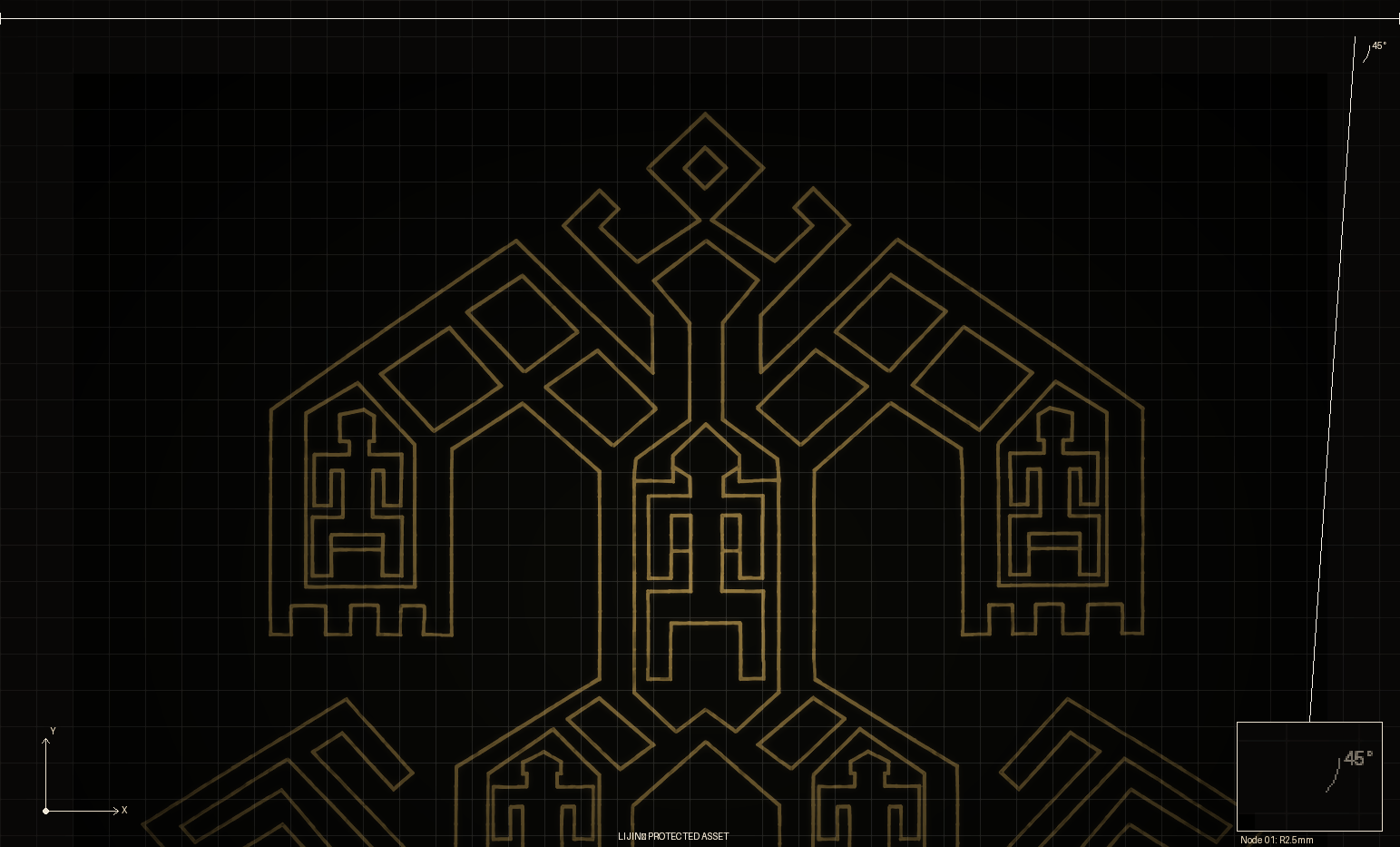
A cultural reference does not arrive as a finished design brief. Teams need to understand what it means, what can change, and how it can work within their own aesthetic and production requirements.
Lijin® turns that complexity into a workable creative process — connecting cultural context, design intent, local collaboration and agreed delivery scope.
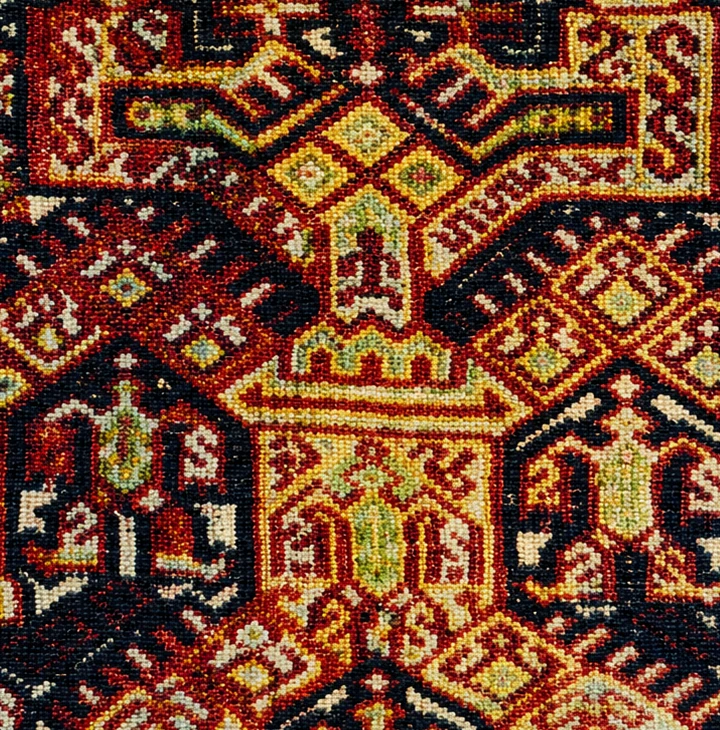
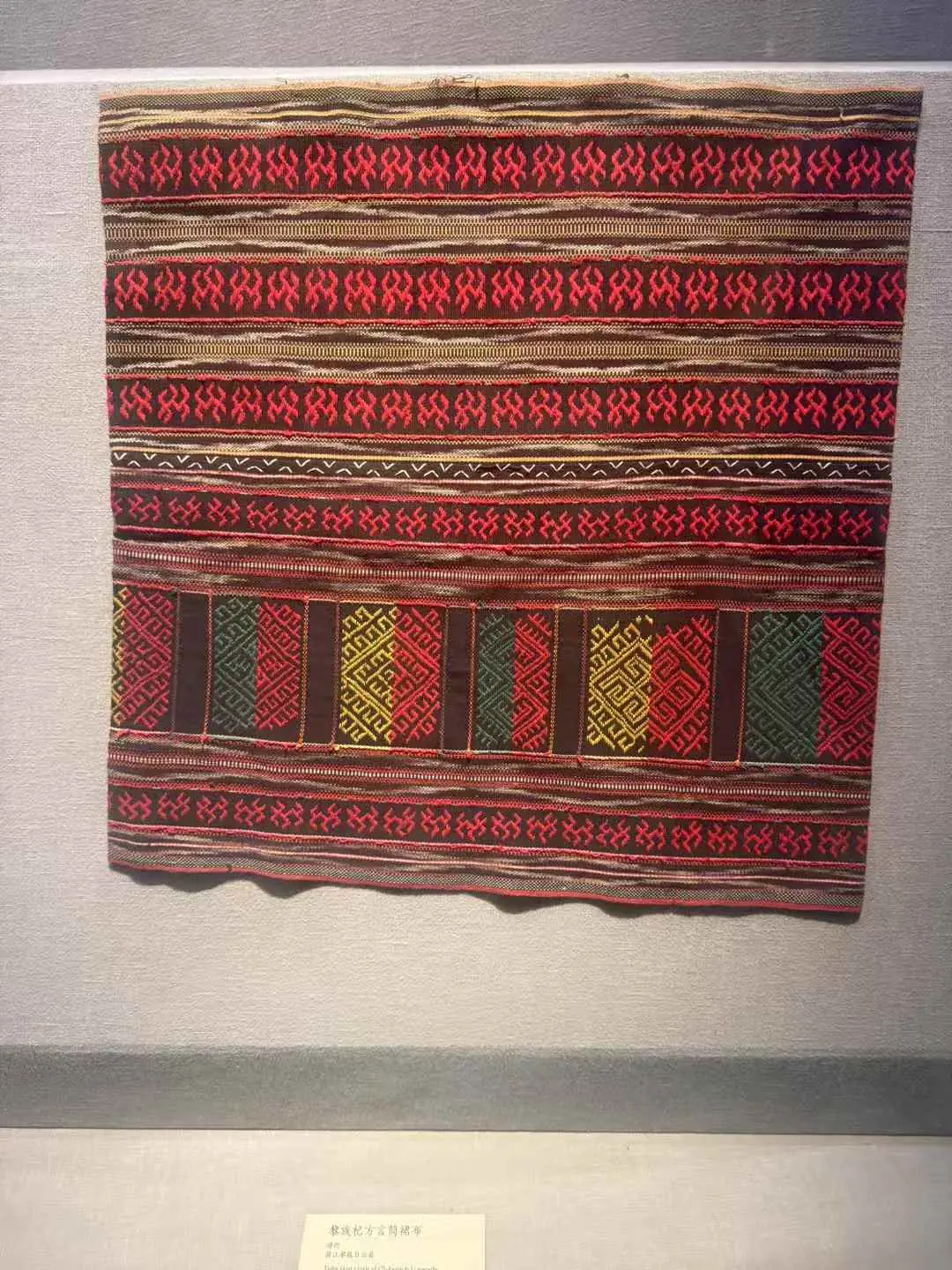
Archive reference
Structure · proportion · scale
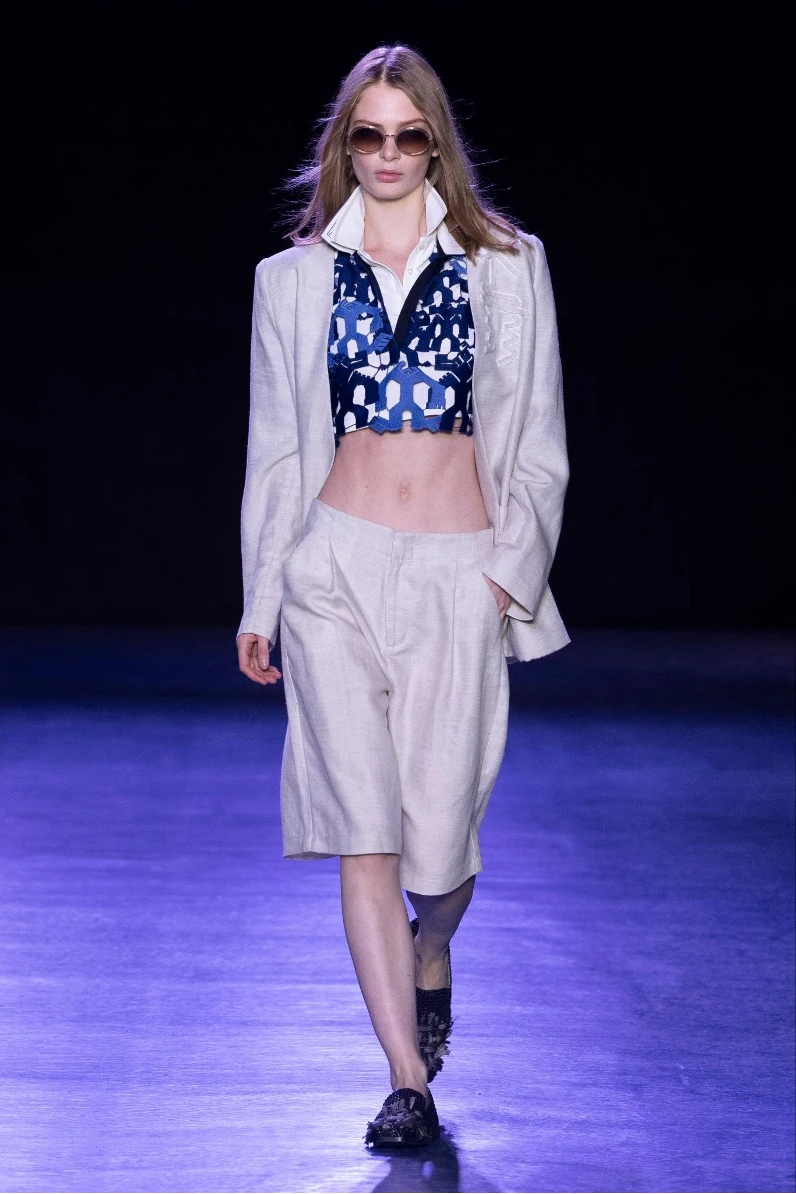
Cutwork · Vivienne Tam × Lijin®
Connect the brief, audience and application with relevant cultural references.
Clarify meaning, context and adaptation boundaries so collaborators work from the same brief.
Adapt structure, scale, colour and material character to the brand, product and medium.
Define deliverables, rights, collaborators and support through production, exhibition or launch.
OUR WORK IN CONTEXT
Fashion, retail and public culture ask different things of the same heritage. See how the response changes with the brief.
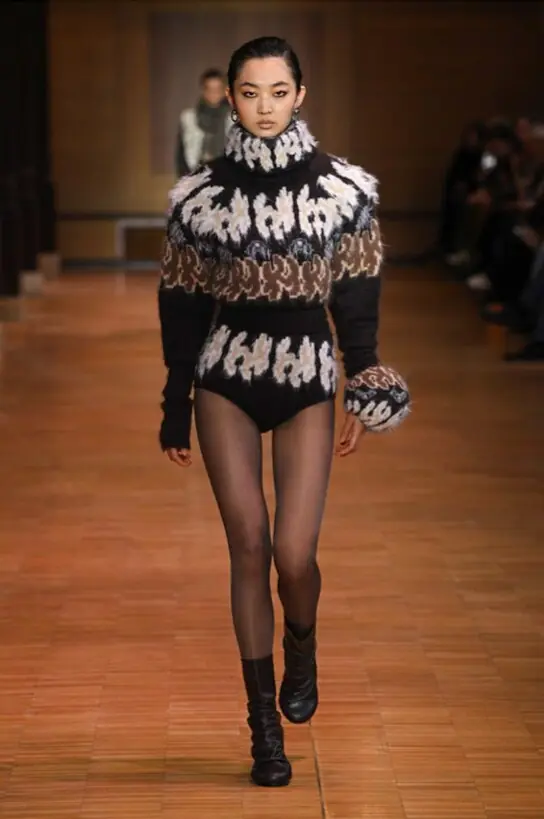
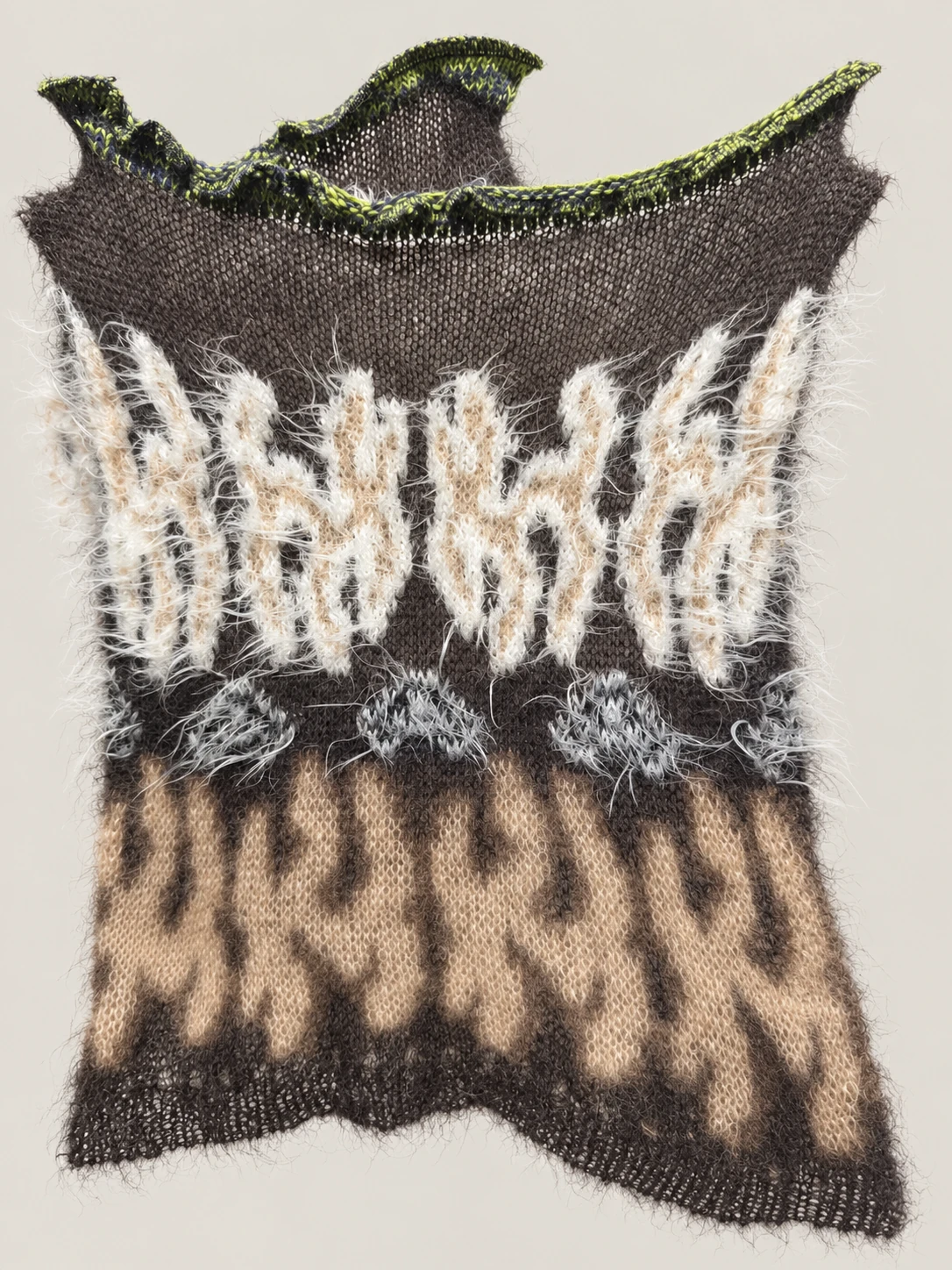
DESIGNER FASHION
DESIGNER FASHION
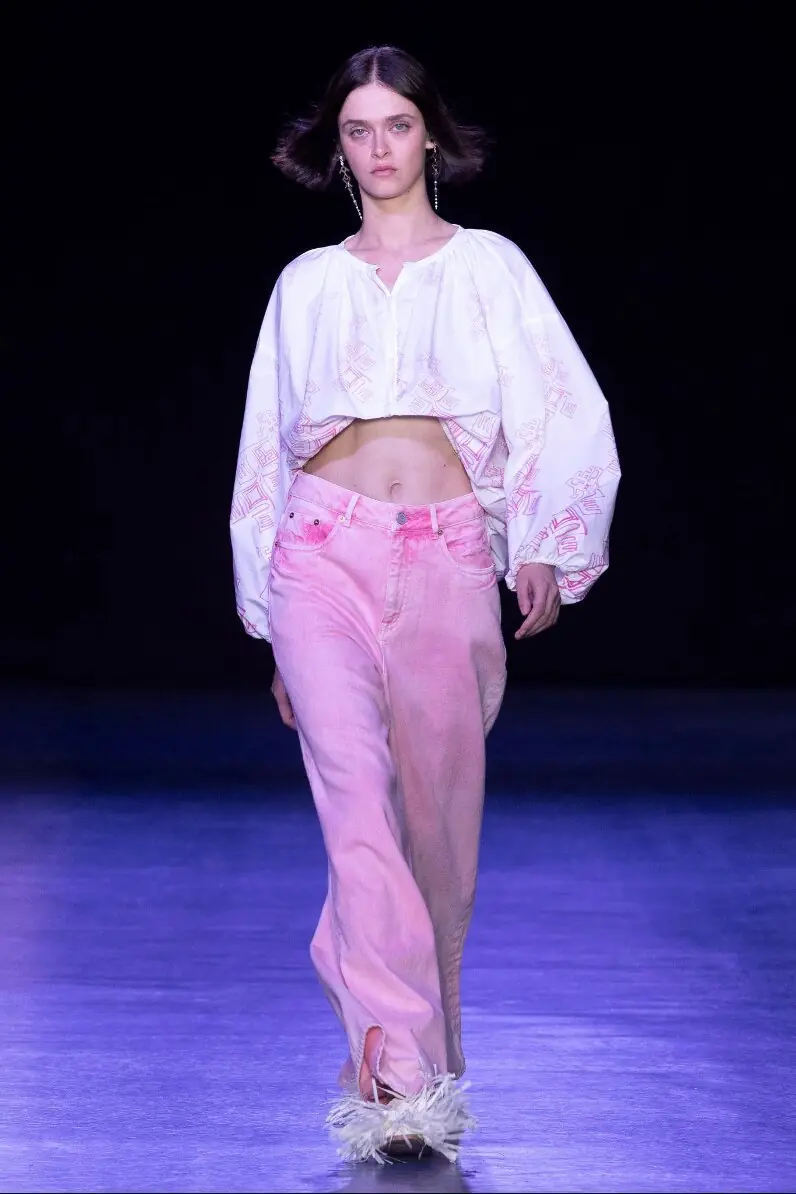
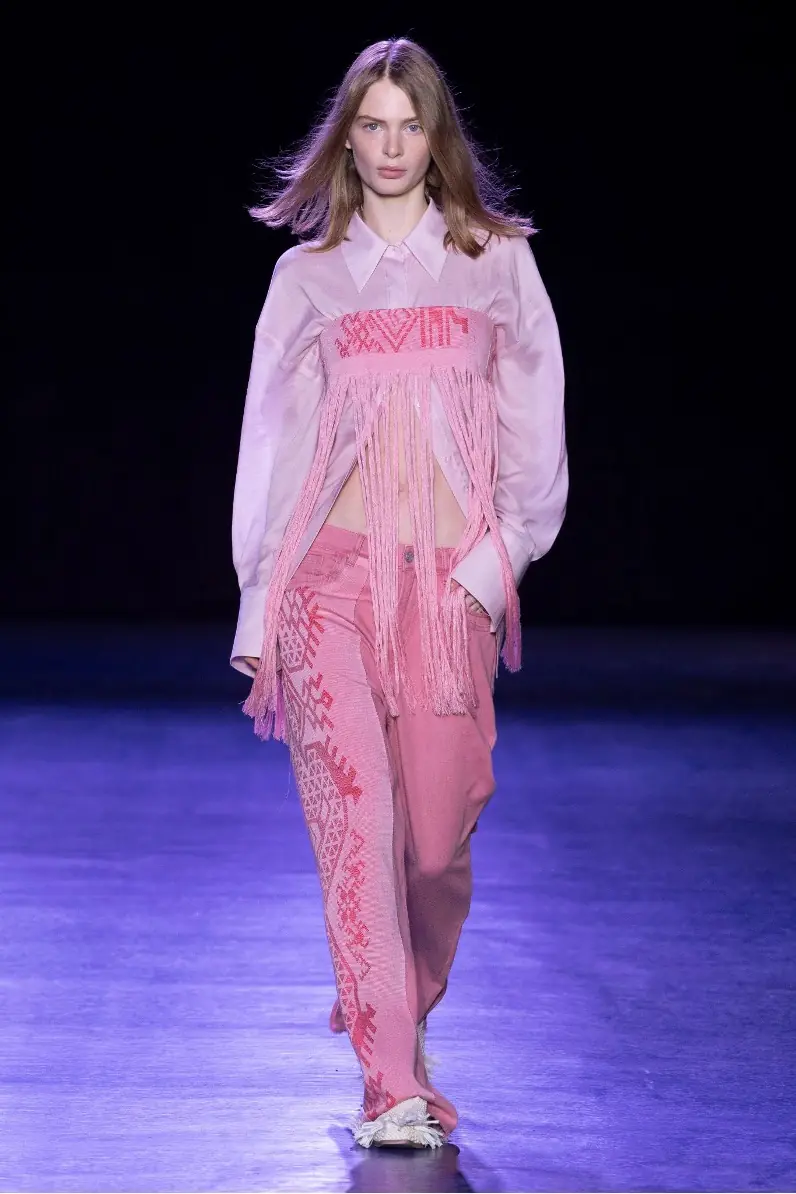
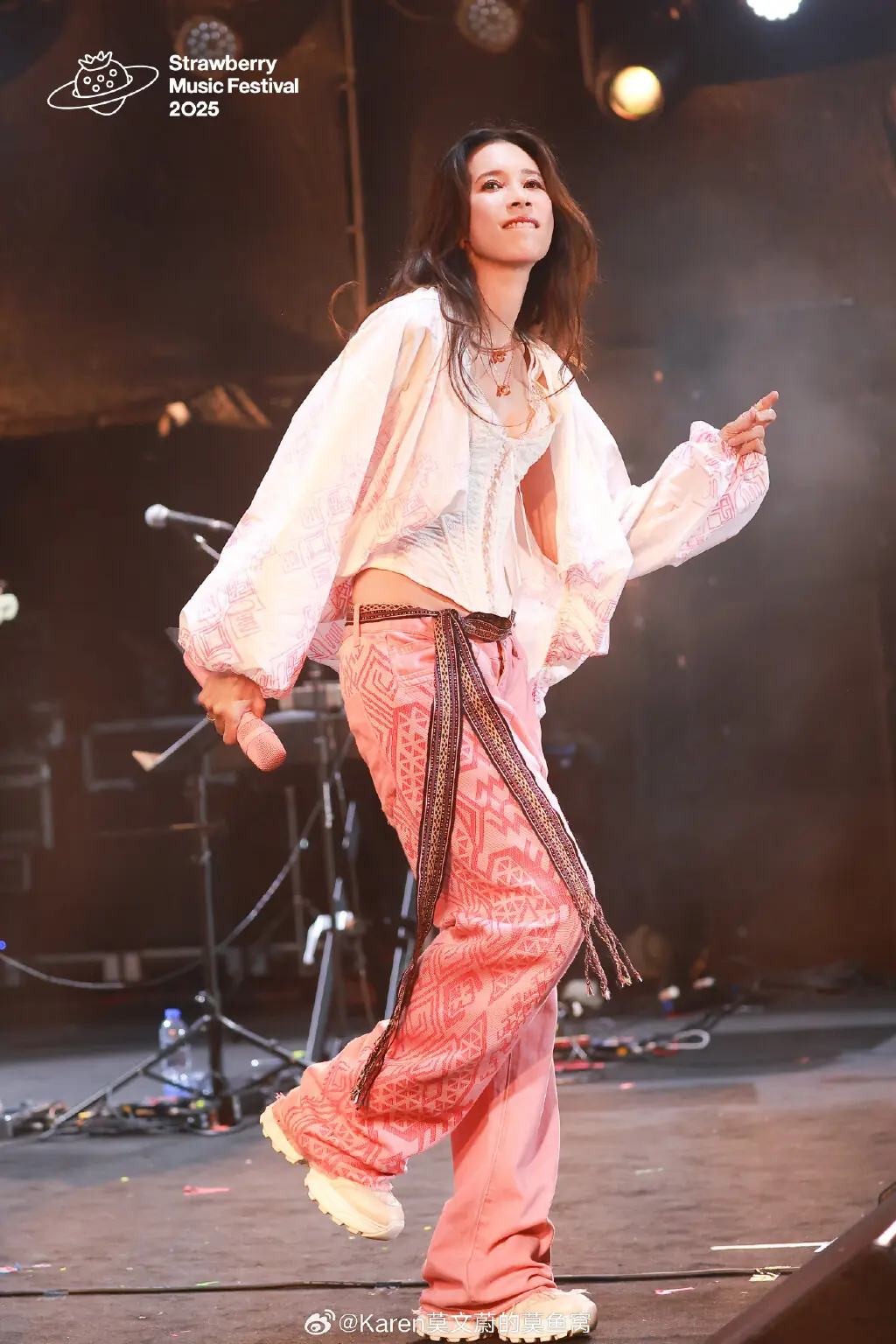
Karen Mok combines the blouse and trousers from two runway looks.
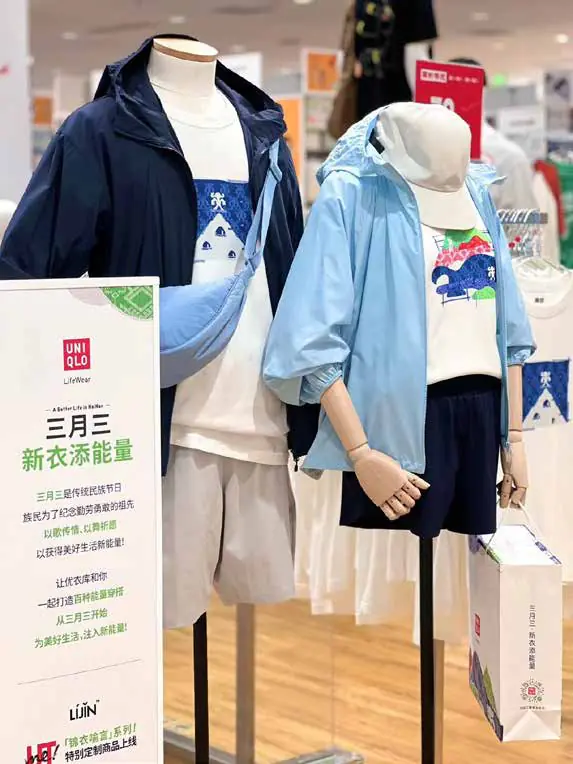
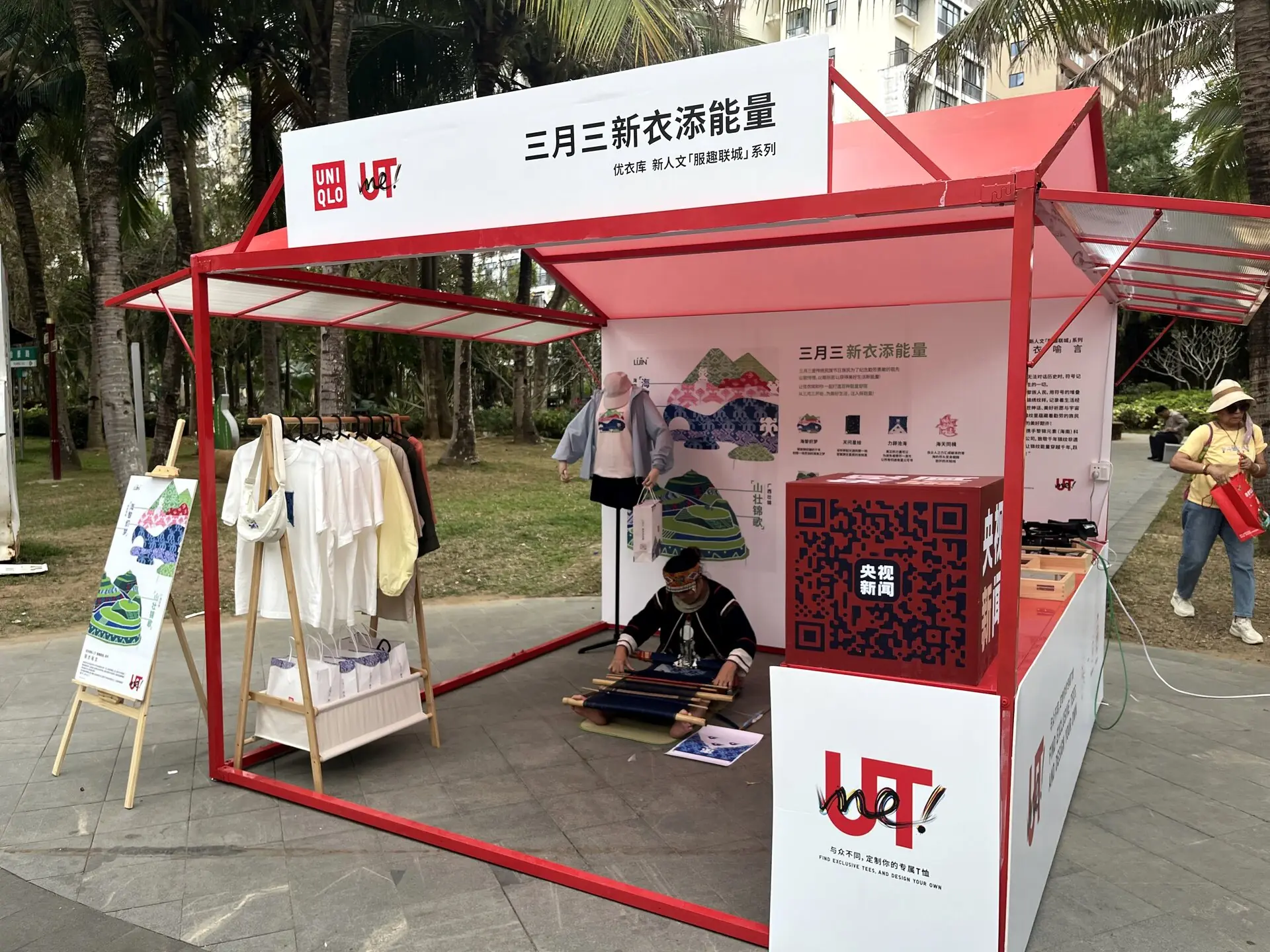
RETAIL & PUBLIC ENGAGEMENT
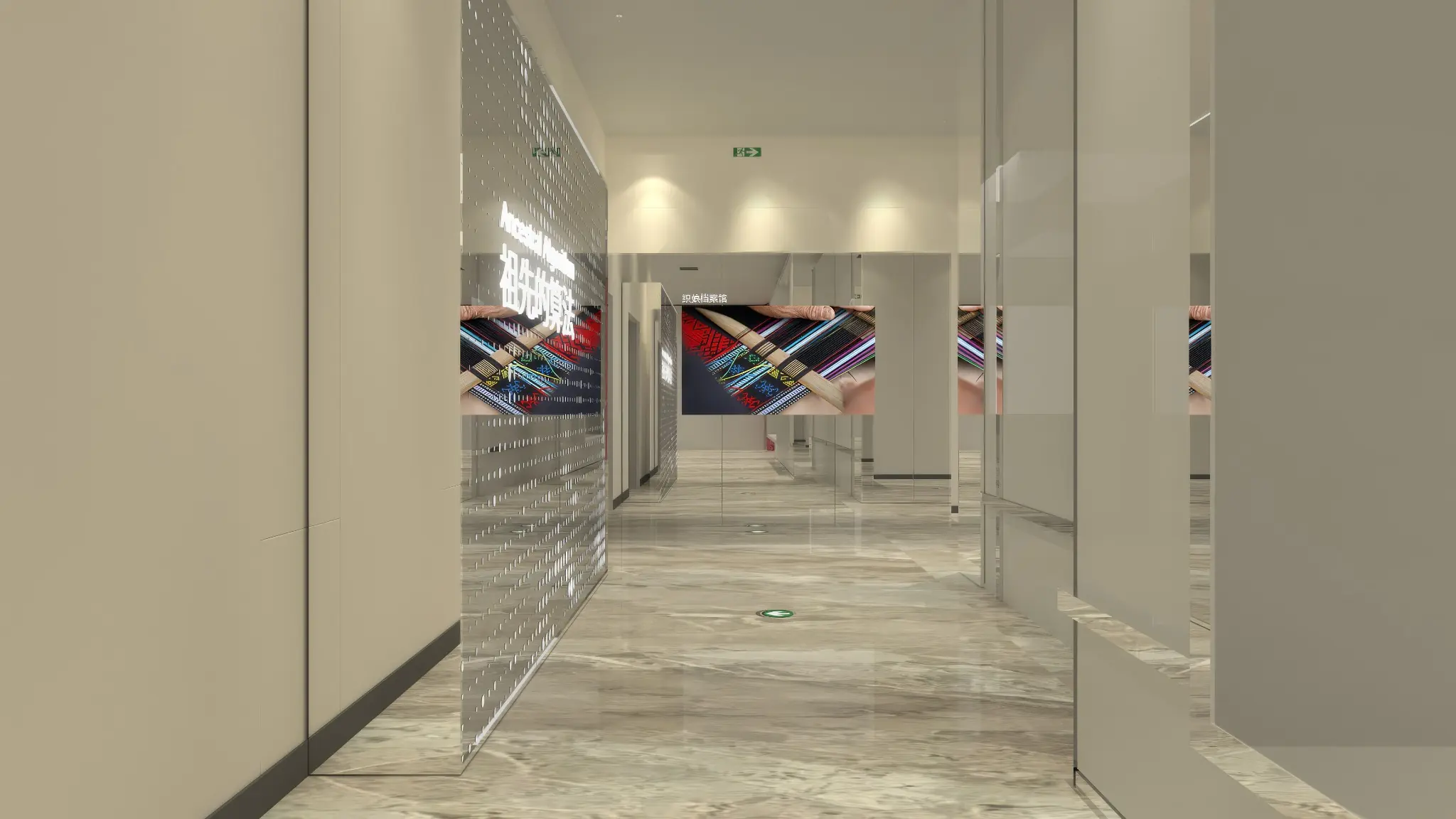
EXHIBITION & MULTIMEDIA
ONE CULTURAL FOUNDATION. TWO DIRECTIONS.
FOR CHINESE BRANDS
Translate Li textile patterns, structures and material character into a distinctive design language for international audiences.
FOR INTERNATIONAL BRANDS
Create culturally grounded products and experiences that help audiences in China discover and connect with your brand.
WAYS TO COLLABORATE
Tell us what you want to create, who it is for and where you want to take it.
We help define the relevant cultural sources, collaboration model, deliverables and rights—and provide the support your project needs.
For teams building a culturally grounded concept.
Source research, motif interpretation and guidance on cultural context and appropriate adaptation.
Explore the cultural context ↗For brands developing products, launches and cultural campaigns.
Licensing of eligible contemporary designs, bespoke visual development, co-marketing and cultural activation. Rights and campaign scope are agreed per project.
View UNIQLO × Lijin ↗For teams exploring textile structure, colour, material and handfeel.
Existing swatches, custom sampling and material translation can support product and collection development.
View the knitwear collaboration ↗For museums, cultural venues and spatial experiences.
Cultural interpretation, content planning, spatial storytelling and art installations shaped around place and audience.
View the exhibition ↗For teams creating moving-image, interactive or digital experiences.
Translate textile structures, visual systems and cultural narratives into contemporary digital expression.
View the multimedia context ↗For projects involving Li makers and local collaborators.
Weaver participation, craft coordination and paid commissions, with roles, attribution and support agreed for each project.
View the cultural activation ↗LICENSING & PARTNERSHIP Q&A
Lijin® combines original development with an internationally proven library of contemporary designs—available for licensing, extraction, adaptation and new applications.
Share your brief, audience and timeline, with any relevant references. We select suitable cultural sources, clarify interpretation, develop the translation and agree the delivery scope with you.
Eligible contemporary designs and commissioned work can be licensed where Lijin® owns or is authorised to grant the relevant rights. The specific work and permitted uses are identified in the project agreement.
Traditional Li motifs form part of a shared cultural heritage. Lijin® does not claim ownership of that heritage. Guidance on traditional motifs is separate from licensing rights in specific contemporary designs. Projects involving traditional material require a review of cultural context, attribution and relevant permissions.
We combine cultural research and original design development with a library of Lijin® contemporary designs used in international fashion collaborations. Eligible designs can be licensed, with selected elements extracted and adapted for new applications within an agreed project scope.
We clarify sources, meanings and adaptation boundaries, involve knowledgeable makers and local collaborators where relevant, and review the proposed application. Attribution and responsibilities are agreed for each project.
Licences define the specific designs, permitted uses, product categories, territory, term and any agreed exclusivity. Deliverables, approvals and attribution requirements are set out for the project.
Yes. Collaborations can include media installations, talks, workshops, public programmes, retail activations, launches and live cultural experiences.